

Who Is Responsible for Houston Oil Rig Equipment Failures?
Equipment doesn't just break down on an oil rig. It fails because someone skipped a step, signed off too early, or used the wrong part. And when it does, the fallout isn't limited to downtime. People get hurt. Operations shut down. Legal teams start pulling records. In Houston, where offshore drilling runs deep and the Gulf of Mexico is closer than most realize, pinning down who's liable for equipment failure means untangling a web of manufacturers, operators, contractors, and inspectors—all of whom had a hand in what went wrong.
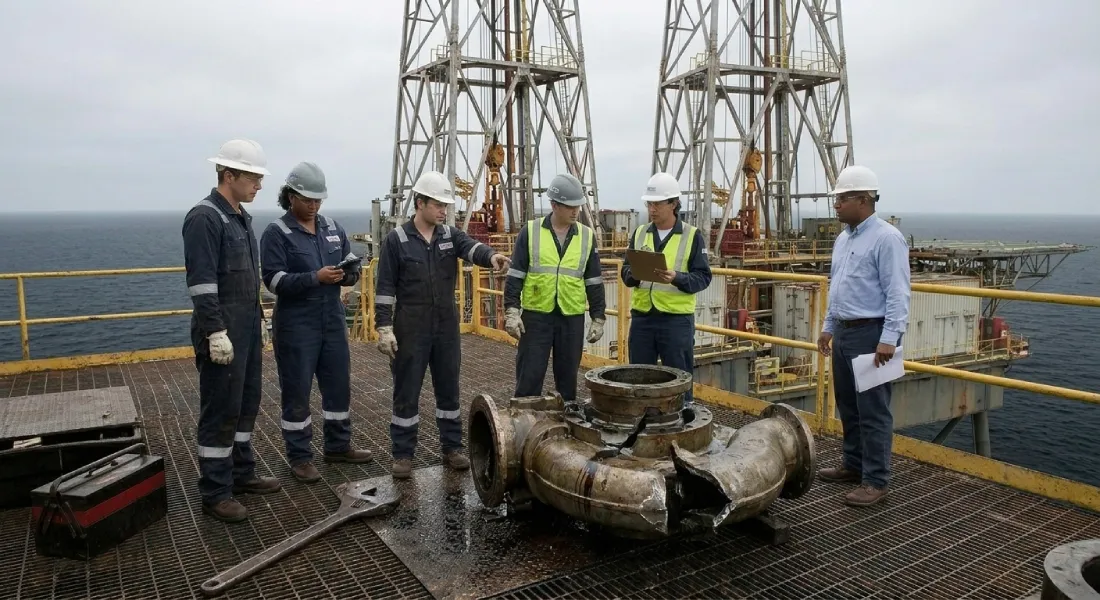
Responsibility doesn't live in one place. It spreads across the supply chain, the crew roster, the maintenance log, and the boardroom. If you're trying to figure out who answers when a blowout preventer malfunctions or a pump gives out mid-operation, you're not looking at one entity. You're looking at a system where accountability only becomes clear when something goes sideways.
Where the Chain Starts
Every piece of equipment on a rig came from somewhere. Manufacturers design, build, and ship the machinery that keeps extraction running. If a valve was faulty from the factory floor or a sensor never worked right from day one, that liability sits with the company that built it. Defective design, poor materials, inadequate testing—those aren't operator mistakes. They're manufacturer failures.
Suppliers play a role too. If they cut corners and send out counterfeit components or substandard replacements, they open the door to catastrophic breakdown. And when that equipment is installed without anyone catching the defect, the blame often loops back to whoever put it in the supply chain. Proving it requires documentation, testing, and sometimes forensic analysis—but the thread starts at the source.
The Company Running the Show
Oil and gas operators don't get to outsource accountability just because they didn't manufacture the gear. They own the rig. They set the schedule. They decide when maintenance happens and who does it. If inspection protocols are ignored or pushed back to meet production deadlines, that's on them. The IRS might not care how you fund your rig, but OSHA and BSEE absolutely care how you maintain it.
Cutting costs by delaying servicing or skipping recommended part replacements doesn't fly when regulators start asking questions. Neither does failing to train crews properly or ignoring red flags in equipment performance. Operators are expected to know what's happening on their rigs and to act before small issues turn into blowouts or breakdowns that put lives at risk.
Contractors in the Middle
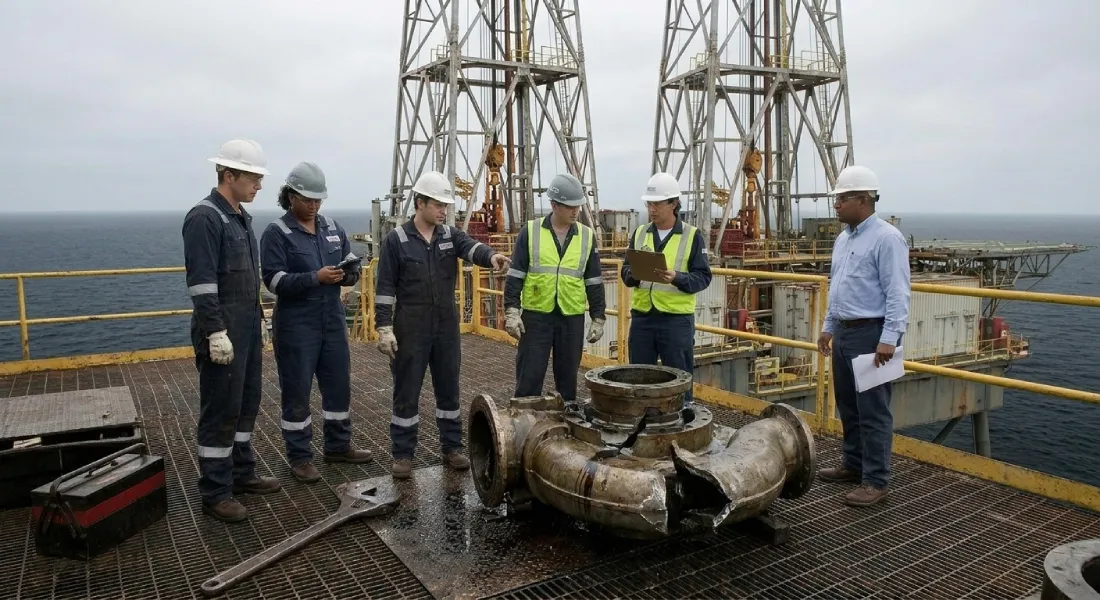
Most rigs don't run on one team alone. Contractors handle drilling, installation, repair work, and specialized operations. If a contractor installs equipment incorrectly or fails to follow procedure during a critical repair, they inherit part of the liability. Contracts usually spell out who's responsible for what, but when failures happen, those lines get tested in court.
Subcontractors add another layer. If they were hired to handle a specific job and botched it—whether through negligence, lack of expertise, or poor communication—they're on the hook too. The challenge is figuring out where operator oversight ends and contractor independence begins. That's where legal battles get messy.
What Regulators Actually Do
OSHA and BSEE don't run the rigs, but they set the rules everyone else has to follow. They conduct inspections, issue citations, and enforce safety standards designed to prevent exactly the kind of failures that lead to disasters. If a rig is found out of compliance, the agency won't take the blame for the breakdown—but they will hold the operator accountable for ignoring the standards.
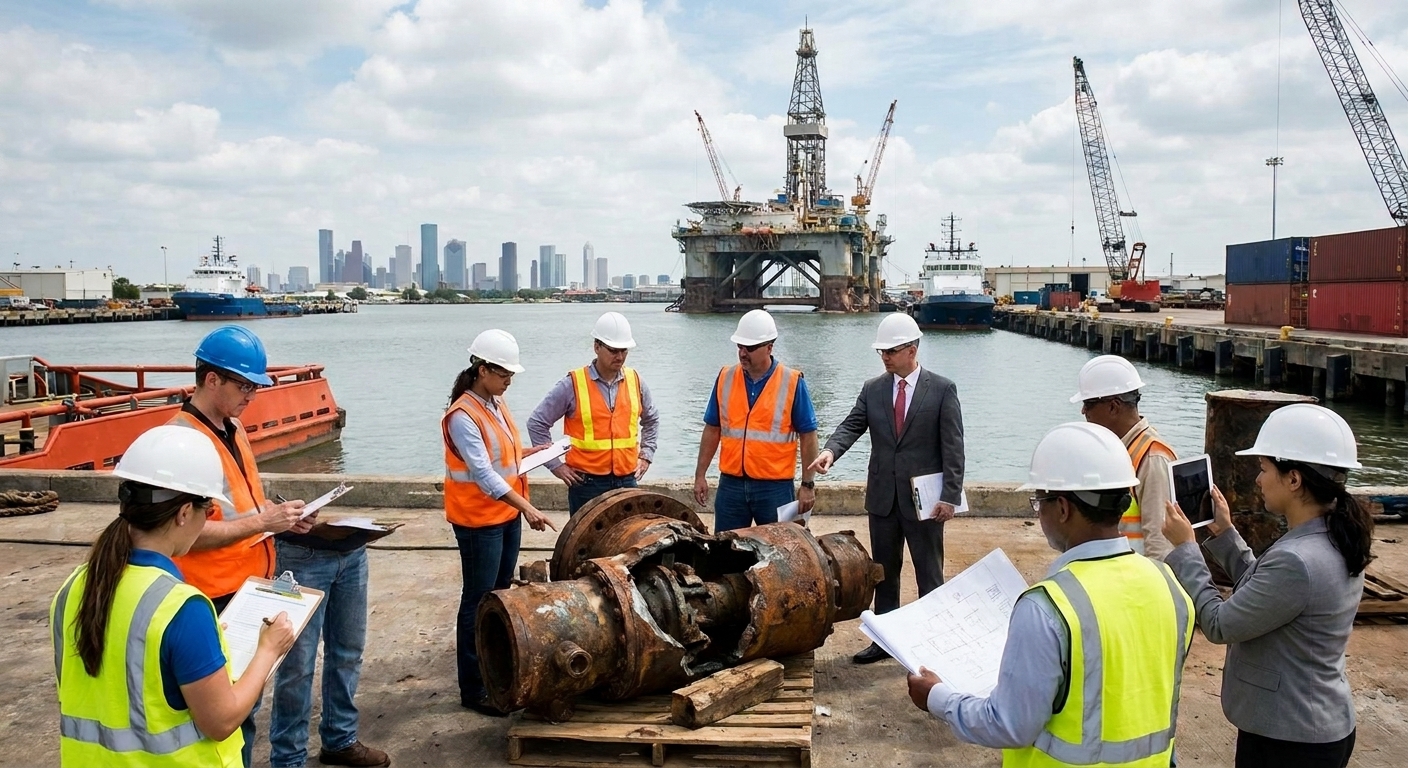
Regulatory oversight matters because it creates a baseline. When equipment fails and investigations begin, one of the first questions asked is whether the operation was in compliance. If it wasn't, that strengthens the case against whoever was running the show. If it was, the focus shifts to other parties in the chain.
When the Crew Gets It Wrong
Human error is real, and it shows up more often than anyone wants to admit. A worker who skips a step, misreads a gauge, or forgets to tighten a fitting can set off a chain reaction that ends in equipment failure. But assigning blame to the individual isn't always fair—or accurate. If the company didn't provide adequate training, didn't enforce safety protocols, or pushed workers past the point of exhaustion, the fault climbs back up the ladder.
Employers are responsible for making sure their teams know how to do the job safely and correctly. If that doesn't happen, the liability doesn't rest solely on the crew member who made the mistake. It rests on whoever put them in that position without the tools or knowledge to succeed. Workers injured in these incidents may need representation from Houston workplace injury lawyers to hold negligent employers accountable.
Liability Rarely Lives Alone
Most equipment failures aren't the result of one isolated mistake. They're the product of multiple breakdowns across the system. A manufacturer produces a flawed part. The operator doesn't catch it during inspection. A contractor installs it incorrectly. The crew doesn't notice the warning signs. By the time something fails, responsibility is scattered across several parties—and legal teams work overtime to untangle who owes what.
Victims of rig accidents, whether injured workers or affected communities, often file lawsuits that pull in everyone involved. Settlements and judgments can run into the millions, and the division of liability depends on proving which party contributed most directly to the failure. That requires investigations, expert testimony, and a deep dive into records that span months or years. If you're considering filing a personal injury lawsuit, understanding these dynamics is critical.
Houston Keeps Drilling, But the Stakes Stay High
Houston's position as an energy hub means oil rig operations won't slow down anytime soon. But every failure is a reminder that equipment reliability isn't optional. It's the foundation of safe extraction, clean operations, and legal protection. When something breaks, the question isn't just what went wrong—it's who let it happen. And in an industry where the consequences are this severe, that answer matters more than ever. Injured workers should understand the legal steps after a workplace injury, and victims of Houston plant refinery accidents should seek experienced legal representation. Those harmed by explosion injuries in Houston or construction injuries in Houston deserve skilled attorneys who understand complex liability issues.
Let’s Find Answers Together
When oil rig equipment fails, the aftermath can be overwhelming—but you don’t have to navigate it alone. We’re here to help you untangle the details, protect your rights, and hold the right parties accountable. If you’re ready to talk through your situation, call us at 713-280-3204 or schedule a consultation and let’s take the next step together.
‹ Back
Recent Posts
-
What Happens After a Houston Workplace Fall Injury
July 2, 2026
-
Do I Have a Case After a Houston Multi-Car Crash?
June 18, 2026
-
-
-


Comments