

Can You File a Claim After a Houston Refinery Explosion?
Most people think refinery explosions are headline news one day and forgotten the next. But if you lived through one — or lost someone who didn't — the story's just starting. Houston sits in the middle of petroleum country, and that proximity brings jobs, economic growth, and real danger. When something goes wrong at a refinery, it doesn't just shake the ground. It changes lives.
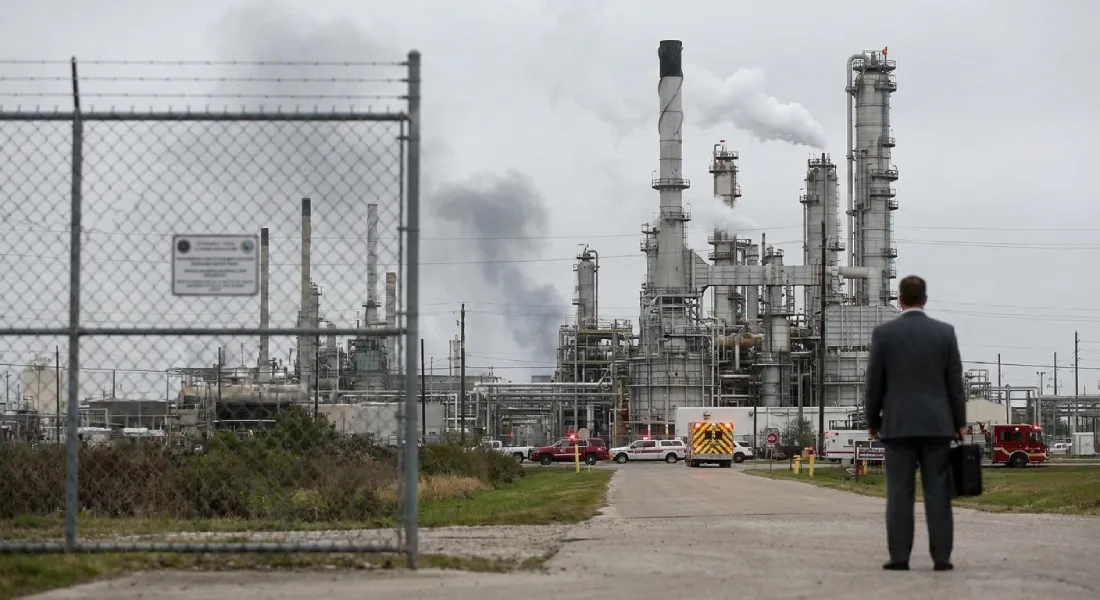
So here's what matters. If you or your family got caught in the blast zone, financially or physically, you've got options. But those options have windows. And those windows close faster than most people expect. Knowing what to file, when to file it, and who's actually on the hook can mean the difference between getting whole and getting left behind.
Who's Responsible When Equipment Fails
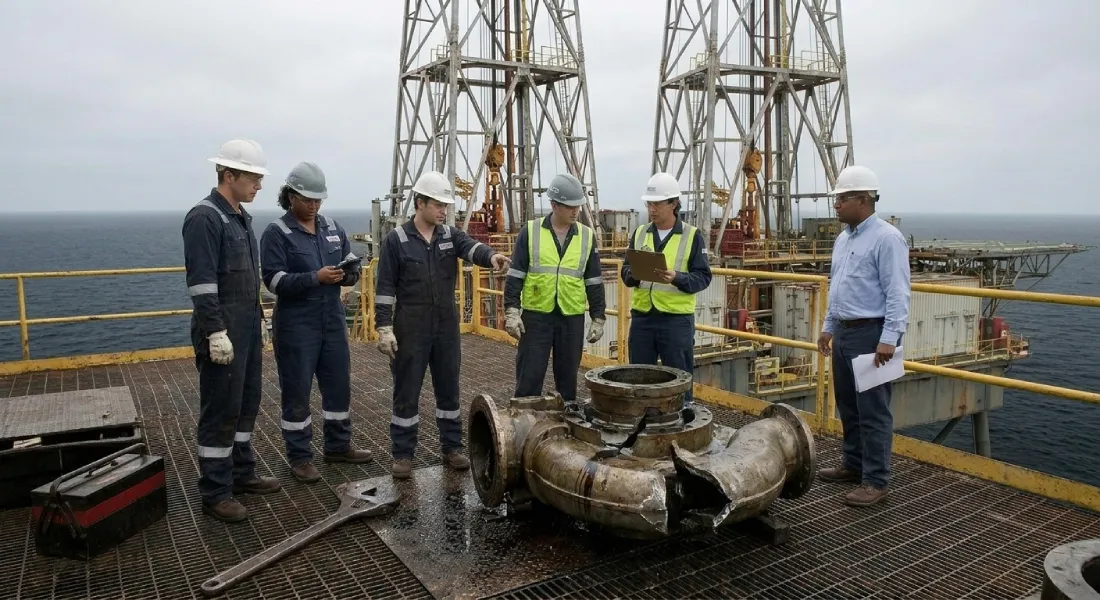
Refinery explosions don't happen in a vacuum. Something fails. Someone cuts corners. Equipment gets ignored, inspections get skipped, or safety protocols exist on paper only. The fallout from that negligence can ripple across multiple parties — the company that owns the facility, contractors running day-to-day operations, manufacturers who supplied faulty gear, or third-party vendors who handled maintenance.
We've seen cases where five different entities share liability for one event. That complexity works in favor of corporations with deep legal benches. It shouldn't work against you. Figuring out who dropped the ball requires investigation, expert testimony, and access to records most companies won't hand over willingly. That's why representation matters early.
What Kind of Claim You Can Bring
The path you take depends on where you were when it happened and what you lost. Workers have one set of rules. Residents have another. Families who buried someone face a third. None of them are simple, and none of them should be handled alone.
- Workers' Compensation Claims: If you clocked in that day and got hurt, you're likely covered under workers' comp. That means medical bills and partial wage replacement. But it doesn't cover pain, trauma, or long-term disability in the way a personal injury lawsuit might.
- Personal Injury Lawsuits: When negligence caused the blast, injured parties can pursue compensation beyond what workers' comp offers. That includes medical costs, lost earnings, emotional suffering, and permanent impairment.
- Wrongful Death Actions: Surviving family members can file if a loved one didn't make it. These claims address funeral costs, lost financial support, and the irreplaceable loss of companionship through a wrongful death lawyer in Houston.
- Property Damage Recovery: Homes and businesses near the refinery may suffer structural damage, air quality issues, or loss of property value. Those losses are recoverable if you can prove cause and extent.
What to Do the Day It Happens
The hours and days right after an explosion are chaotic. Adrenaline's high, information's scarce, and people are scrambling. But what you do in that window can shape your claim months down the line. We know it's not easy to think clearly when your world just got flipped, but taking a few critical steps now protects you later.
First, get checked. Even if you feel fine. Blast injuries show up days later — internal bleeding, concussions, respiratory damage from inhaling chemicals. A medical record created immediately ties your condition to the event. Second, document everything you can. Photos of damage, names of witnesses, timestamps, texts, emails. If your phone still works, use it. Third, report what happened to your employer, your insurer, or local authorities. That creates a paper trail. And fourth, talk to a lawyer before you talk to anyone representing the refinery or their insurance carrier.
The Deadlines You Can't Ignore
Texas law gives you two years to file most personal injury and wrongful death claims. That sounds like a lot of time. It isn't. Investigations take months. Expert reviews take longer. Negotiating with corporate defense teams takes even more. And if you miss that two-year mark, your claim dies — no extensions, no second chances.
We've watched families wait too long because they thought someone else was handling it, or because they didn't realize the clock had already started. By the time they reached out, the statute had run. Don't let that be your story. The sooner you move, the stronger your position.
Why Going It Alone Doesn't Work
Oil companies don't settle out of kindness. They settle when the math says fighting costs more than paying. And they've got teams built to make sure that math works in their favor — adjusters, investigators, attorneys who specialize in minimizing exposure. You're not going up against one person. You're going up against a system designed to outlast you.
Here's what a qualified attorney brings to the table:
- Access to industry experts who can reconstruct what went wrong
- Experience handling multi-party liability in industrial accidents
- Knowledge of federal and state regulations governing refinery safety
- Leverage in negotiations with insurers who know you're represented
- Trial readiness if settlement talks stall or lowball offers keep coming
What Compensation Actually Covers
Money doesn't undo what happened. But it does address the financial crater left behind. Medical bills pile up fast after serious injury — surgery, rehab, long-term care, prescriptions. If you can't work, income disappears while expenses keep coming. If someone died, funeral costs hit immediately, and the loss of future earnings can devastate a household.
A strong claim accounts for all of it:
- Past and future medical treatment
- Lost wages and diminished earning capacity
- Physical pain and emotional trauma
- Property repairs or replacement value
- Loss of companionship and support in wrongful death cases

When Workers' Comp Isn't Enough
Workers' compensation exists to get injured employees back on their feet without a lawsuit. It's faster, it's guaranteed, and it doesn't require proving fault. But it also caps what you can recover. If negligence played a role — defective equipment, ignored safety violations, inadequate training — you may have grounds for a third-party claim outside the workers' comp system. That claim can pursue full damages, including pain and suffering, especially in cases involving Houston workplace injury scenarios.
We've seen injured workers settle for workers' comp because they didn't know they had another option. Once you accept that settlement and sign the release, you're done. Make sure you understand what you're giving up before you agree to anything.
How Insurance Companies Play Defense
Expect the refinery's insurer to move fast. They'll want statements, medical releases, recorded interviews — all before you've had time to think or consult anyone. They'll frame it as cooperation. It's not. Every word you say gets analyzed for inconsistencies. Every document you sign can limit your rights.
Here's what they're looking for:
- Statements that downplay your injuries or blame yourself
- Gaps in your medical treatment they can use to argue you weren't hurt badly
- Pre-existing conditions they can point to as the real cause
- Any reason to shift liability away from their insured
You don't have to cooperate with their investigation before filing your own claim. And you definitely don't have to do it without legal counsel. Polite silence is a valid strategy.
Holding the Right Parties Accountable
Explosions don't happen because one person made one mistake. They happen because systems fail. Maybe maintenance got deferred to save money. Maybe alarms were ignored. Maybe inspections were faked. Maybe training was minimal. Each failure point represents a potential defendant, and each defendant represents a potential source of recovery.
Your attorney's job is to trace the chain of decisions that led to the blast and identify everyone who played a role. That might include equipment manufacturers, safety consultants, contractors, or even regulatory bodies that certified the facility. Specialized Houston plant refinery accident attorneys understand how to navigate these complex industrial cases. Casting a wide net early ensures no responsible party slips through.
Moving Forward Without Waiting Forever
Refinery explosion cases don't resolve overnight. But they also don't require you to put your life on hold indefinitely. We help clients rebuild while the case moves forward — connecting them with medical providers who work on liens, coordinating with insurance, handling the legal heavy lifting so they can focus on recovery. If you need guidance on how long it takes to file or want to understand your options better, professional legal counsel can provide clarity. The goal isn't just a settlement. It's stability, accountability, and a foundation to move forward from.
Let’s Take the Next Step Together
No one should have to navigate the aftermath of a refinery explosion alone. We’re here to help you understand your rights, hold the right parties accountable, and fight for the compensation you deserve. If you’re ready to talk about your options, call us at 713-280-3204 or schedule a consultation and let’s start moving forward together.
‹ Back
Recent Posts
-

Can I Sue After a Store Parking Lot Injury in Houston?
July 16, 2026
-
What Happens After a Houston Workplace Fall Injury
July 2, 2026
-

Do I Have a Case After a Houston Multi-Car Crash?
June 18, 2026
-
-


Comments